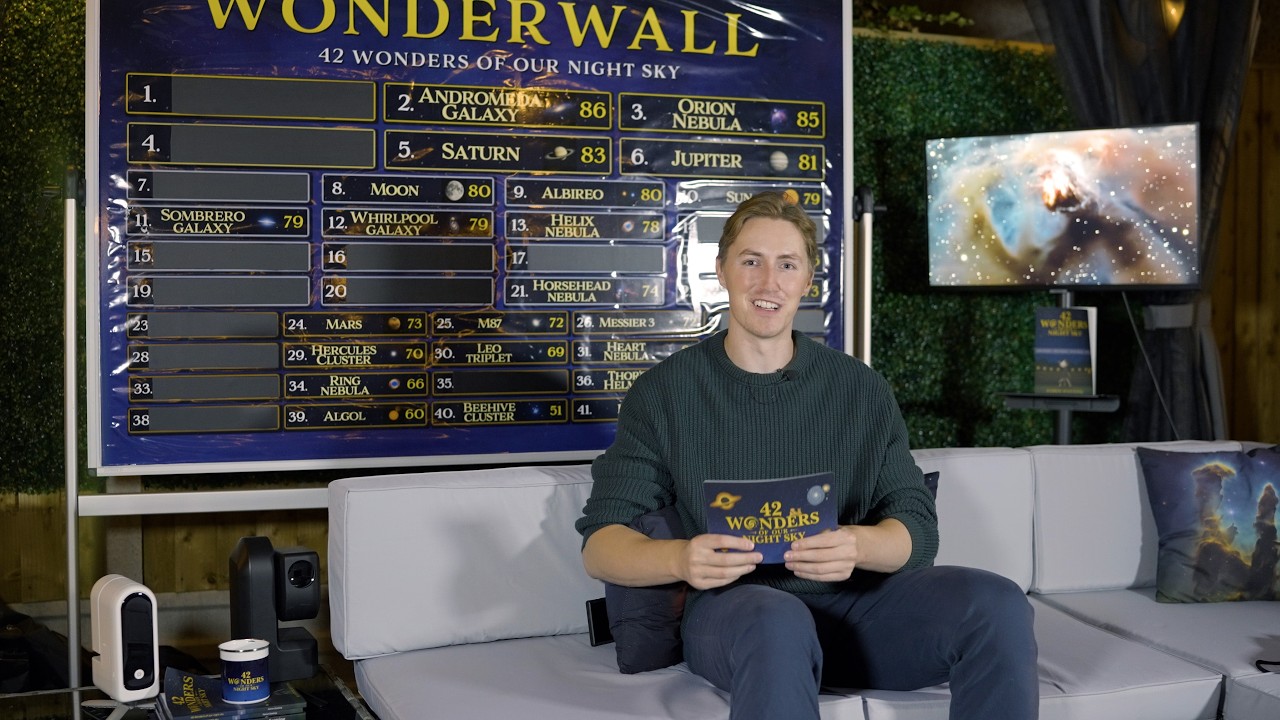
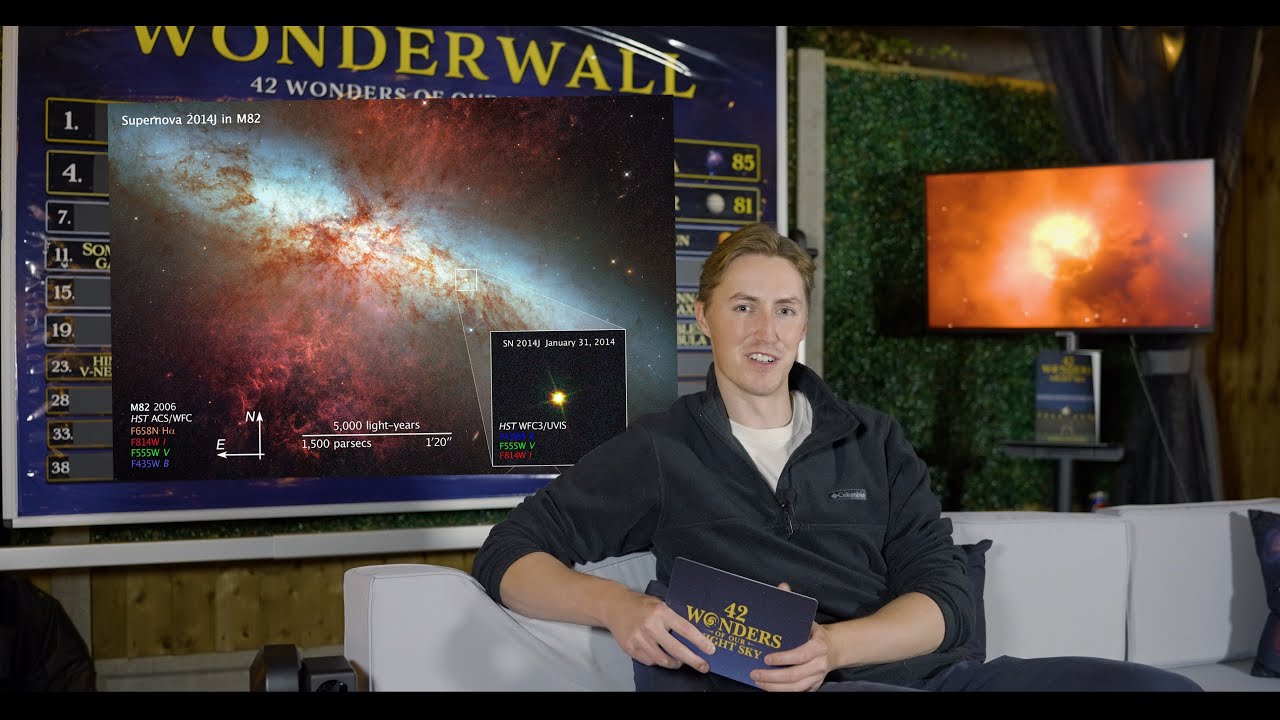
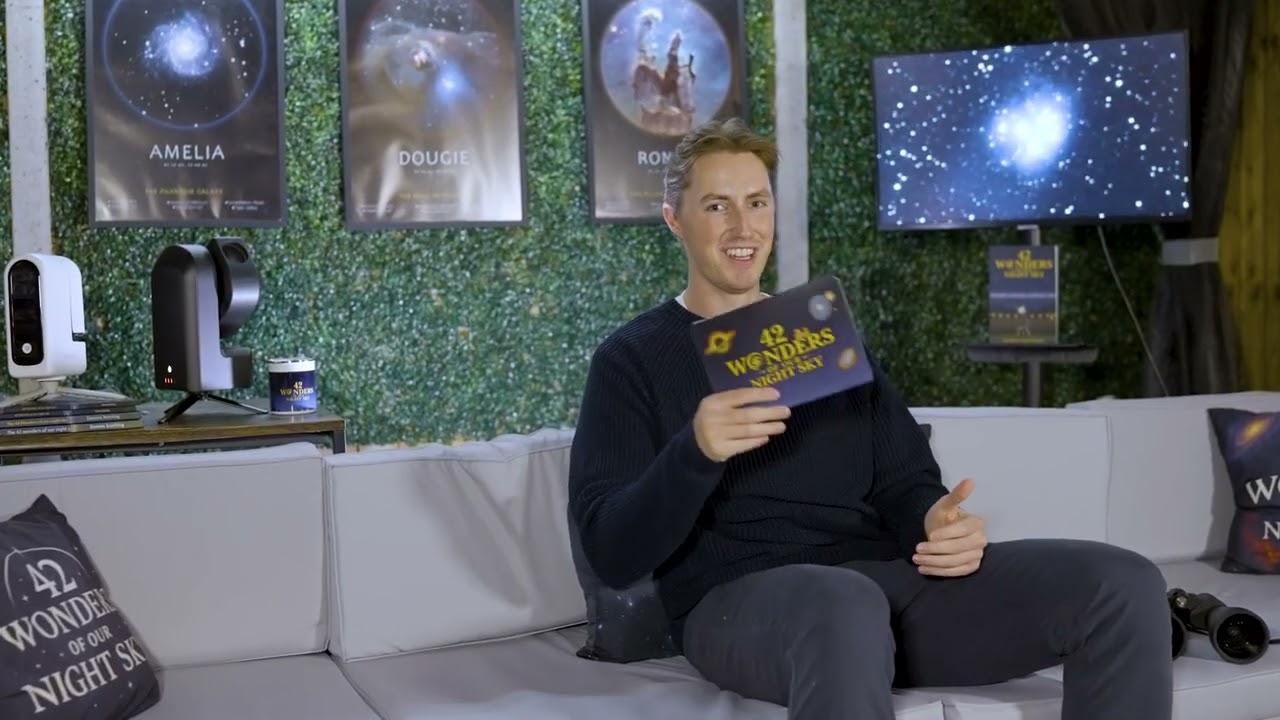
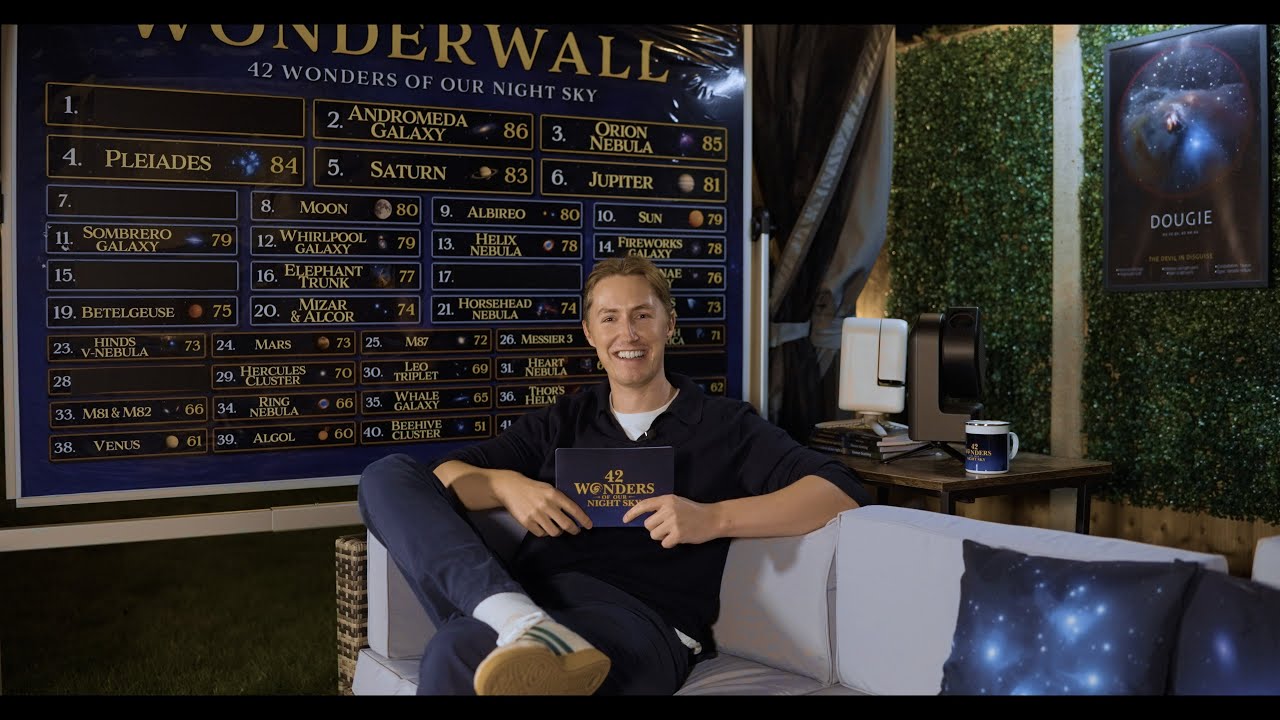
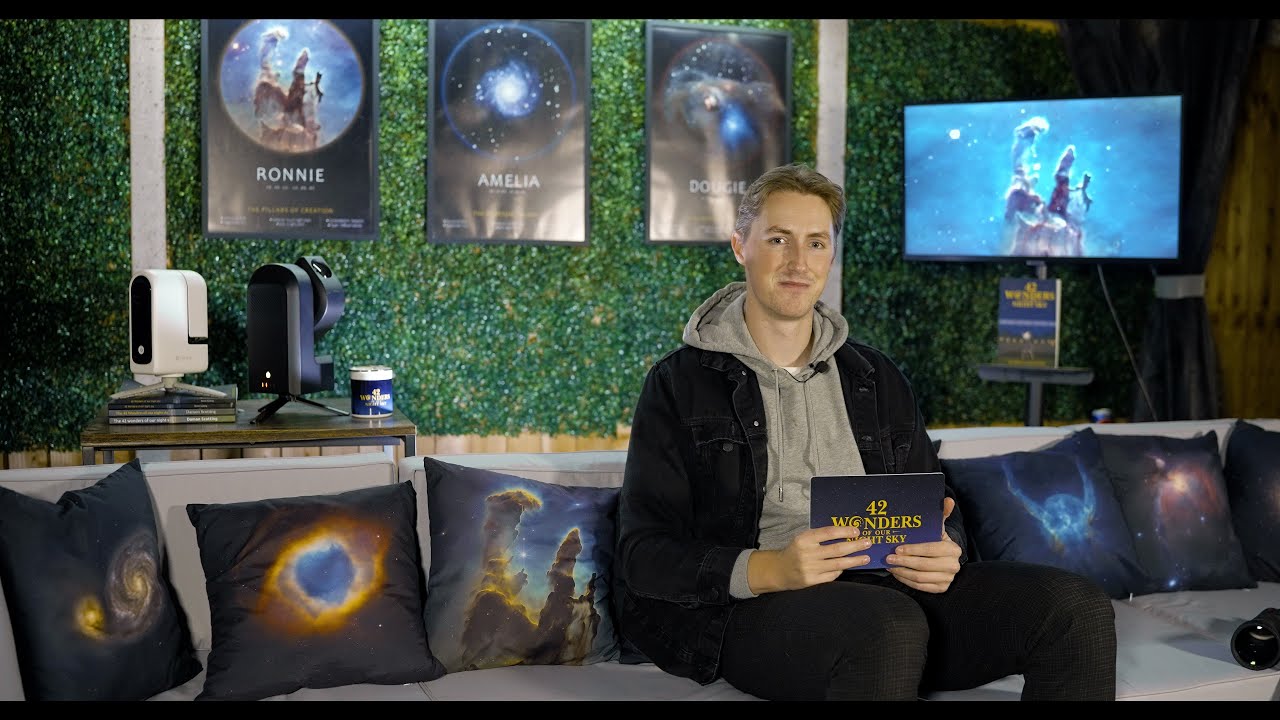
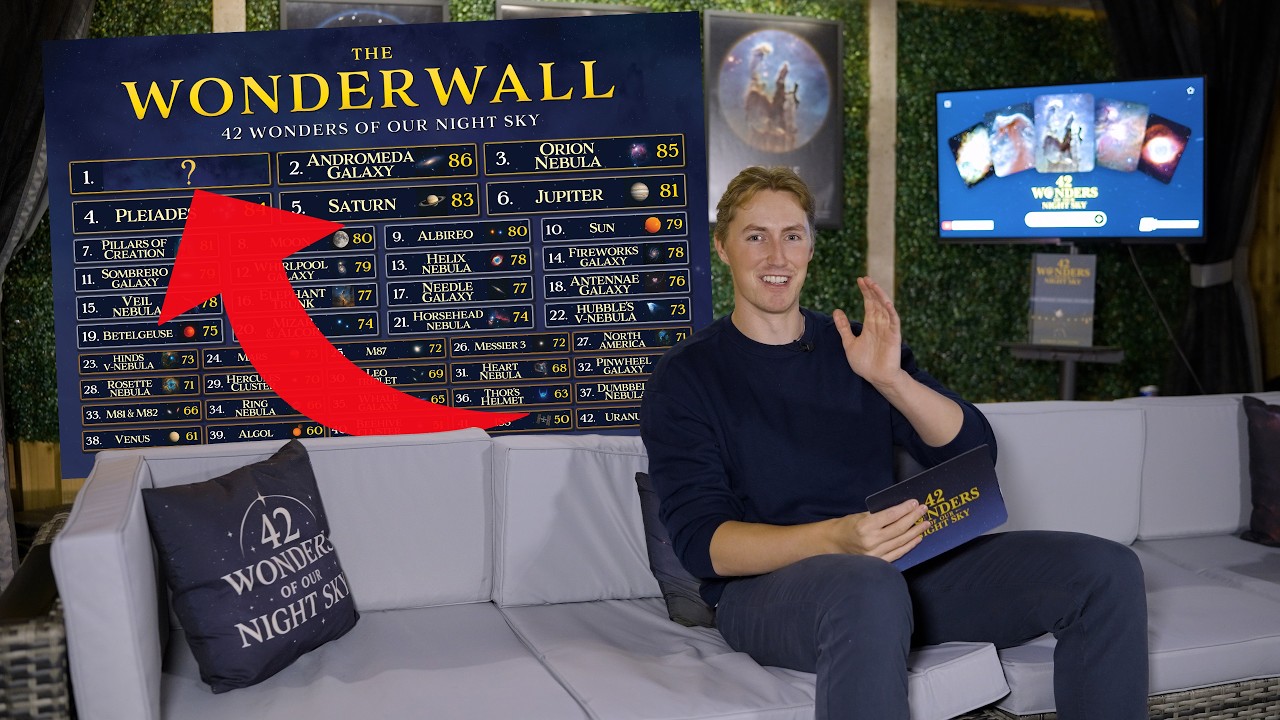
What do the most extraordinary objects in the universe really look like through a $500, a $1,000,000, and a $1,000,000,000 telescope?
Join Damon Scotting — The Telescope Man — on an epic 14-episode visual journey through galaxies, nebulae, planets, and star clusters.
From the iconic Orion Nebula to the mysterious Pillars of Creation, every episode reveals what backyard stargazers, professional observatories,
and billion-dollar space telescopes actually see when they aim at the same target.
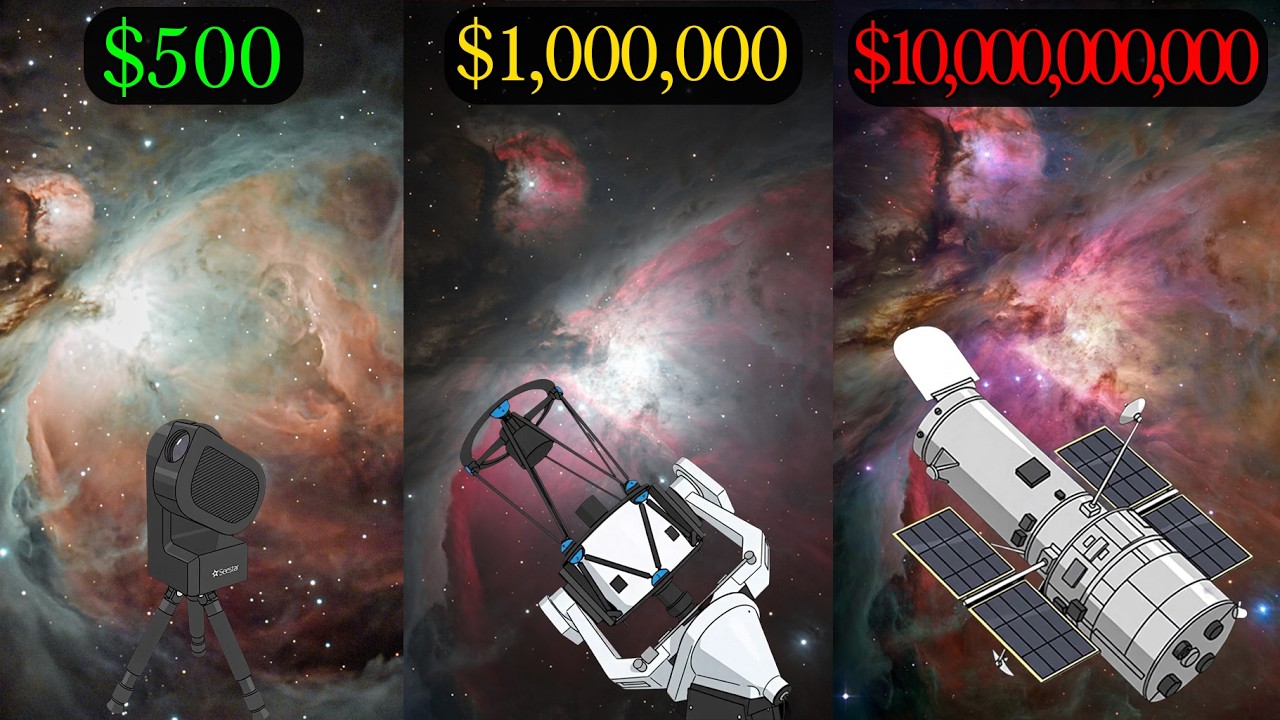
What the Orion Nebula Looks Like Through a $500, $1M, and $1B Telescope
The series begins with one of the most iconic deep-sky objects visible from Earth. Witness how M42's swirling gas clouds and the Trapezium star cluster transform dramatically as you jump from a backyard refractor to the Hubble Space Telescope.
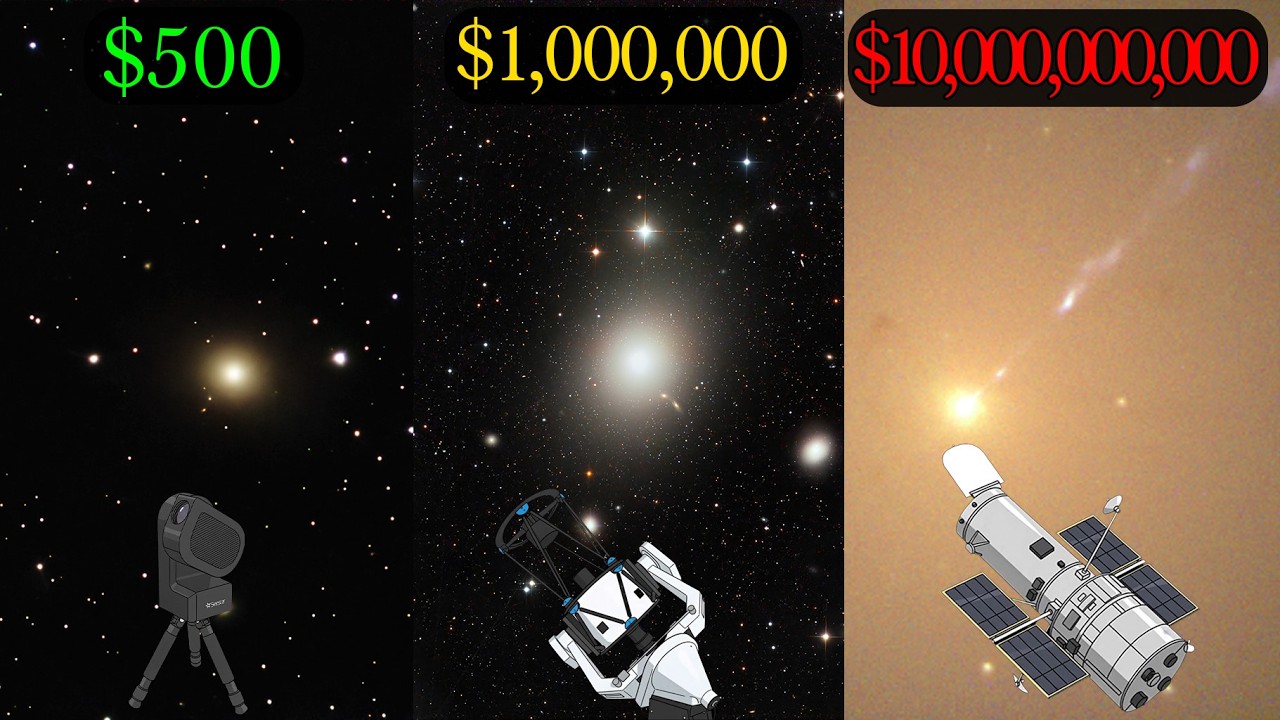
What a BLACK HOLE Looks Like Through a $500, $1M, and $1B Telescope
Can you actually see a black hole? This episode explores one of the universe's most extreme phenomena — from the faint hints visible through amateur gear to the historic Event Horizon Telescope image that changed astronomy forever.
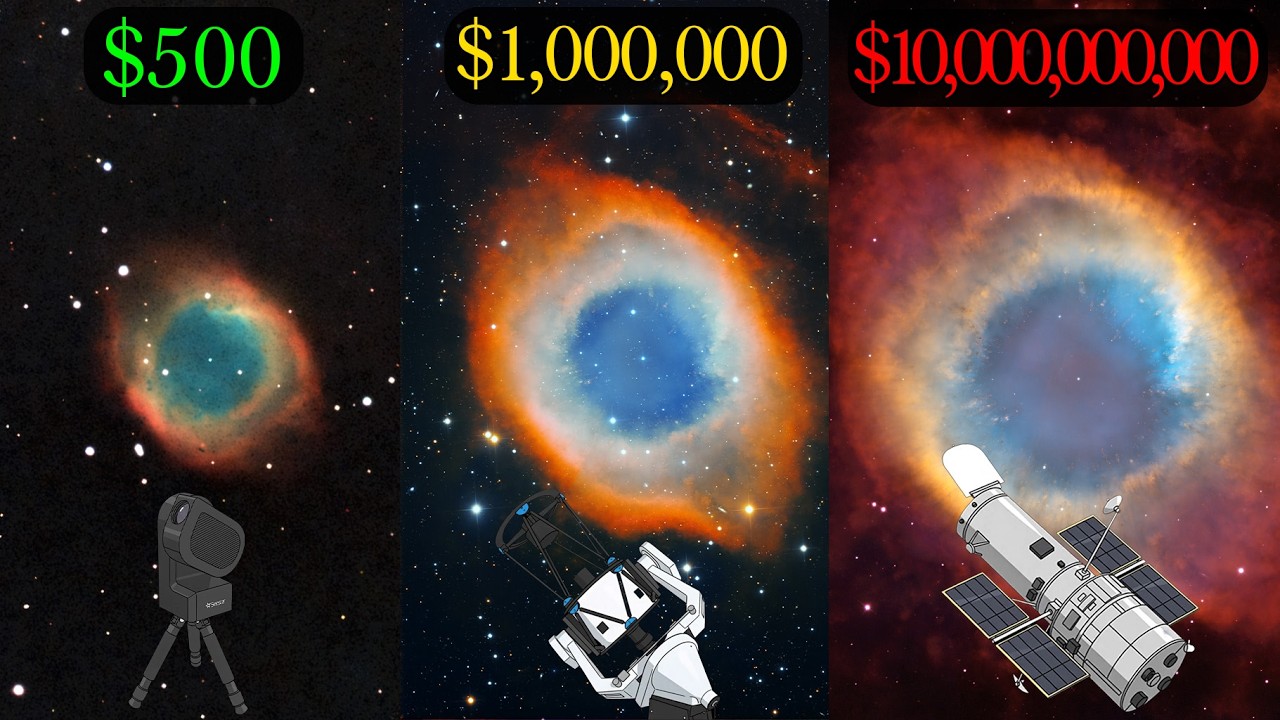
What The EYE OF GOD Looks Like Through a $500, $1M, and $1B Telescope
Known as the Eye of God, the Helix Nebula is a stunning planetary nebula — the glowing remains of a dying star. Discover how its eerie ring structure and intricate gas filaments appear at wildly different scales of observation.
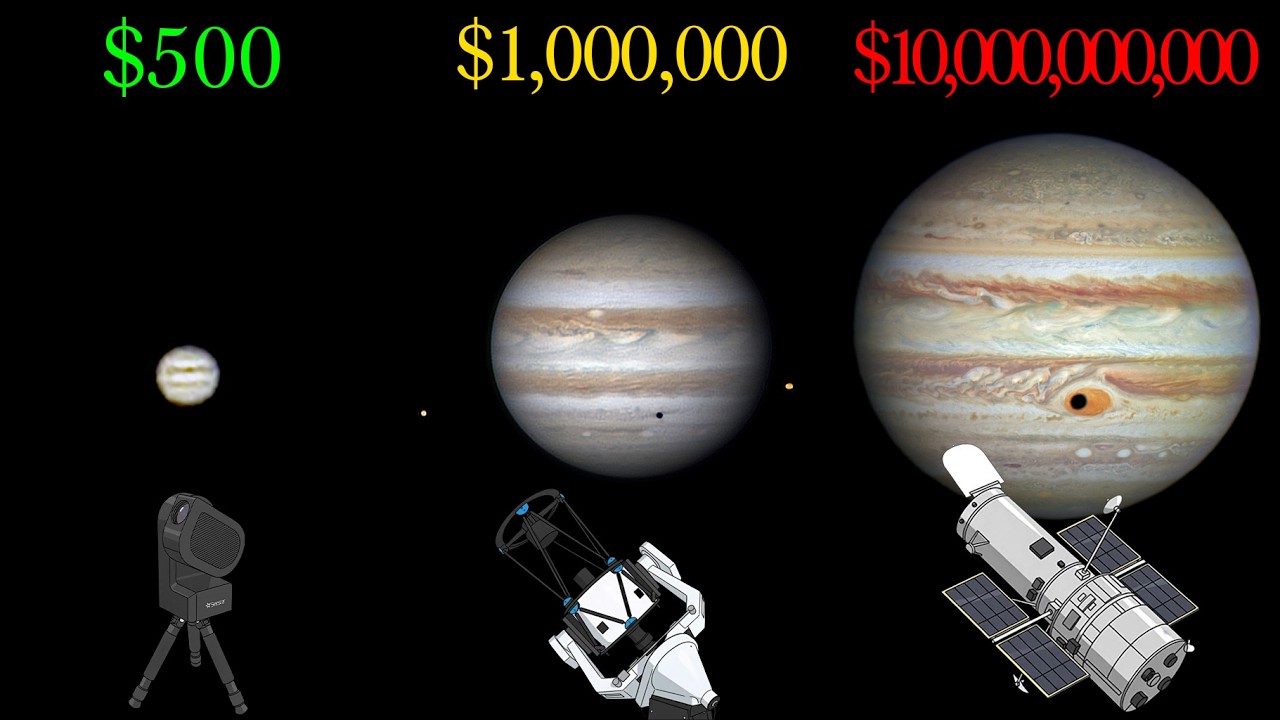
What JUPITER Looks Like Through a $500, $1M, and $1B Telescope
The king of planets reveals its cloud bands, Great Red Spot, and Galilean moons in increasing detail. From a shimmering disc in a backyard scope to the breathtaking close-ups from Juno, Jupiter never disappoints.
What the Andromeda Galaxy Looks Like Through a $500, $1M, and $1B Telescope
Our nearest large galaxy neighbour — 2.5 million light-years away and heading straight for us. See how Andromeda's sweeping spiral arms and trillion stars emerge from a faint smudge into a galaxy of staggering detail.
What MARS Looks Like Through a $500, $1M, and $1B Telescope
The Red Planet is one of the most rewarding visual targets in the solar system. Watch its polar ice caps, dark surface markings, and vast canyons come into focus as telescope power increases dramatically.
What OUR SUN Looks Like Through a $500, $1M, and $1B Telescope
The closest star to Earth is also the most dangerous to observe. Explore sunspots, solar prominences, and coronal mass ejections as seen through safe solar filters, professional observatories, and NASA's Solar Dynamics Observatory.
What URANUS Looks Like Through a $500, $1M, and $1B Telescope
The ice giant tilted on its side is one of the solar system's most elusive visual targets. From a tiny blue-green dot in amateur scopes to Voyager 2's stunning flyby images, Uranus holds surprises at every level.
What the MOON Looks Like Through a $500, $1M, and $1B Telescope
Our closest celestial neighbour offers more detail than any other object in the night sky. Craters, mountains, rilles, and ancient lava plains come alive in staggering resolution as magnification increases.
What BETELGEUSE Looks Like Through a $500, $1M, and $1B Telescope
The red supergiant in Orion's shoulder is one of the few stars large enough to be resolved as a disc. Explore why astronomers believe it could explode as a supernova at any time — and what that would look like from Earth.
What The SEVEN SISTERS Look Like Through a $500, $1M, and $1B Telescope
This dazzling open star cluster has captivated observers for thousands of years. See how its brilliant blue stars and surrounding reflection nebulosity become increasingly dramatic through more powerful optics.
What a SEXTUPLET Star System Looks Like Through a $500, $1M, and $1B Telescope
What appears as a single bright star in Gemini is actually six stars locked in a gravitational dance. Discover how increasing resolution splits this remarkable system apart, revealing one of the sky's most complex stellar families.
What The PILLARS OF CREATION Look Like Through a $500, $1M, and $1B Telescope
Perhaps the most famous astronomical image ever taken. These towering columns of gas and dust inside the Eagle Nebula are active star-forming regions — and their appearance changes dramatically from backyard to Hubble to JWST.
What the "FINAL Wonder" Looks Like Through a $500, $1M, and $1B Telescope
The series finale reveals the ultimate celestial wonder — a target so significant it was saved for last. This episode ties together the entire journey and delivers a powerful conclusion to the 42 Wonders saga.
42 Wonders of Our Night Sky is a landmark astrophotography and education series by Damon Scotting, known as The Telescope Man.
Each episode takes a single iconic celestial object and shows what it actually looks like through three tiers of telescope technology:
a $500 backyard setup, a $1,000,000 professional observatory, and a $1,000,000,000 space telescope.
Every backyard image in the series was captured by Damon from his own garden observatory, proving that stunning deep-sky
astrophotography is achievable with modest equipment, clear skies, and dedication. The series has been featured across
astronomy communities worldwide and accompanies the bestselling hardback book of the same name.
Damon Scotting is a BBC Blue Peter contributor, BBC Sky at Night Magazine writer, published author, and recognised
astrophotographer with a BSc in Physics with Astrophysics and Cosmology. His work has been recognised by the
Astronomy Photographer of the Year competition.
Continue Exploring
Dive deeper into the world of backyard astronomy with these related experiences.